Quick Answer
Yes. Most standard homeowners insurance policies in Ohio cover hail damage to your roof under dwelling coverage (Coverage A). On a Replacement Cost Value policy you typically pay only your deductible (usually $1,000 to $2,500). On an approved claim, insurance typically pays the rest of the repair or replacement. The keys to a paid hail damage insurance claim in Ohio are documenting the damage early, tying it to a specific storm date, and filing before your policy deadline.
The Bottom Line First
Northeast Ohio ranks among the most hail-active regions in the entire country. Wooster, Akron, Canton, and Medina see damaging hail multiple times every spring and summer. If your roof took a hit, the good news is this: standard homeowners insurance in Ohio covers hail damage. You pay your deductible (typically $1,000–$2,500), and the insurance company pays the rest. On a full roof replacement that runs $12,000–$16,000, that's a difference of $10,000+ in your pocket.
The catch: you have to handle the claim correctly. The wrong contractor, a missed deadline, or an unchallenged adjuster estimate can cost you thousands. If you're ready to take action, our guide on how to file a roof insurance claim in Ohio walks you through the entire process step by step.
What Your Insurance Actually Covers
Hail damage falls under the "dwelling coverage" section (Coverage A) of your homeowners policy. After a storm, our storm damage repair team documents the damage so your insurer can review the claim. Most standard policies in Ohio cover:
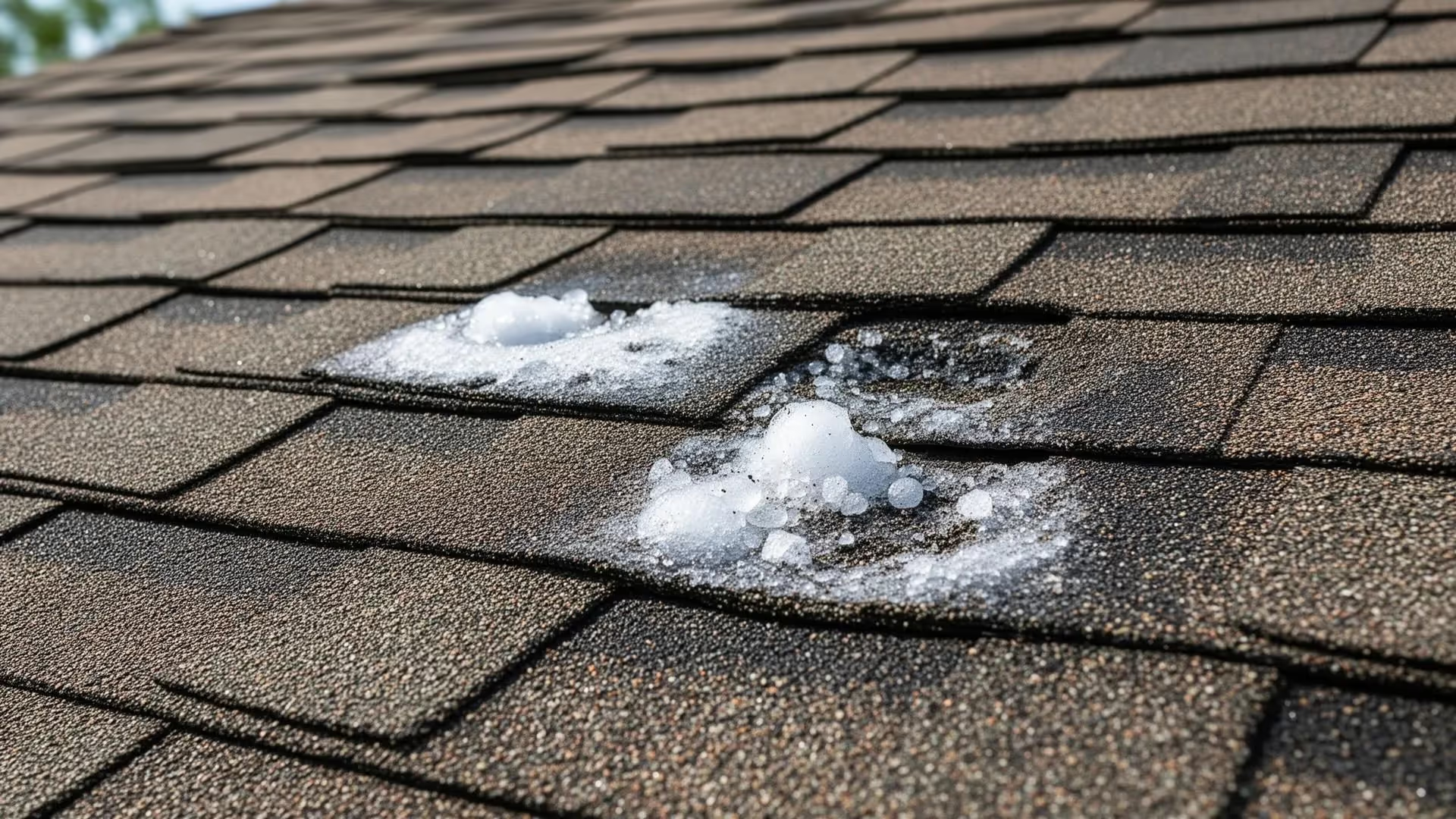
- Shingle damage. Granule loss, cracks, bruising, and punctures
- Metal components. Gutters, flashing, vents, and ridge caps
- Skylights and chimney caps
- Siding damage from the same storm
- Interior damage caused by roof leaks resulting from hail
Hail often strikes more than the roof. If your siding took impacts in the same storm, that damage can be included in the same claim.
Schedule Free Inspection
Most appointments available within 48 hours. No obligation.
100% Free | No Obligation | Same-Day Response
What's NOT Covered
- Pre-existing damage or normal wear and tear
- Damage caused by improper installation or maintenance neglect
- Cosmetic damage only (some policies exclude this explicitly)
- Roofs over 20 years old. Some insurers offer only Actual Cash Value (ACV), not full replacement
ACV vs. RCV. Know the Difference
Replacement Cost Value (RCV) pays for a brand-new roof. Actual Cash Value (ACV) pays the depreciated value, which on a 15-year-old roof could be 50–60% less. Check your policy declarations page or call your agent to confirm which you have. If you have ACV, you're on the hook for depreciation. Learn more in our detailed breakdown of RCV vs. ACV roof insurance in Ohio.
Step-by-Step: What to Do After a Hail Storm in Ohio
- 1
Get a Professional Inspection. Before You Call Insurance
This is the most important step most homeowners skip. Have a qualified roofing contractor inspect your roof first. They'll document all damage with photos and give you an independent assessment. This protects you from a rushed or low-ball adjuster estimate.
- 2
Check Storm Records
Look up the exact date of the storm using NOAA's severe weather database or apps like iHail. Your claim needs to tie damage to a specific weather event. The insurer will verify this.
- 3
File Your Claim Promptly
Contact your insurance company to open a claim. Most Ohio policies give you 1–2 years from the storm date, but waiting too long weakens your position. File within 30–60 days of discovering damage.
- 4
Be Present for the Adjuster Visit
Insurance adjusters are not always wrong, but they're not always thorough. Have your contractor present during the adjuster's inspection. They can point out damage the adjuster might overlook and ensure it's included in the scope.
- 5
Review the Estimate Carefully
The insurer will send a scope of work and payment estimate. Compare this to your contractor's estimate line by line. If there are discrepancies, your contractor can document the missing items so you and your adjuster can review the scope together.
- 6
Get the Work Done
Once approved, schedule your replacement. For RCV policies, you'll receive an initial check minus the deductible and depreciation holdback. The final depreciation payment is released after the work is complete.
Common Mistakes Ohio Homeowners Make
Waiting too long to inspect
Hail damage isn't always visible from the ground. Small impacts accelerate aging and lead to leaks months later, then the insurer may deny the claim as 'wear and tear.'
Hiring the first storm chaser who knocks on your door
Out-of-state contractors appear after every major storm. They take deposits, do poor work, and are gone before you discover the problems. Always use an insured Ohio contractor with local reviews.
Paying your deductible to the contractor
Your deductible is your responsibility to your insurer, not a line item for a contractor to 'waive.' Contractors who offer to waive your deductible are violating Ohio insurance law.
Accepting the first adjuster estimate without review
You have the right to negotiate your claim. If the adjuster's scope misses damage or uses low material pricing, push back with documentation from your contractor.
How Much Will I Actually Pay?
Most homeowners pay only their deductible. Here's how the math works:
Note: These are illustrative numbers. Actual amounts depend on your specific policy, deductible, roof size, and materials chosen.
Frequently Asked Questions
Does homeowners insurance cover hail damage to a roof in Ohio?
Yes. Most standard homeowners insurance policies in Ohio cover hail damage to your roof under the 'dwelling' coverage (Coverage A). You typically pay only your deductible. However, older roofs may be covered at Actual Cash Value (depreciated) rather than Replacement Cost Value.
How long do I have to file a hail damage claim in Ohio?
Most Ohio insurance policies give you 1–2 years from the date of the storm to file a claim. However, it's best to act within 6–12 months while evidence is fresh and before additional damage occurs. Check your specific policy for deadlines.
What size hail causes roof damage?
Hail 1 inch (quarter-size) or larger typically causes visible shingle damage. However, even smaller hail. 3/4 inch (penny-size). Can cause granule loss that shortens roof life without being immediately visible. A professional inspection is needed to assess actual damage.
Will filing a hail damage claim raise my insurance rates in Ohio?
A single weather-related claim (like hail) typically has less impact on rates than liability claims. Some Ohio insurers have 'claim-free' discounts you may lose, but weather damage is considered an 'act of God' and most companies treat it differently than at-fault claims.
Not Sure If Your Roof Has Hail Damage?
We offer free inspections with full photo documentation. If there's damage worth claiming, we'll walk you through the entire insurance process. At no extra cost. We've helped hundreds of Northeast Ohio homeowners navigate exactly this.
Related reading: How to File a Roof Insurance Claim in Ohio · Roof Replacement Cost in Ohio
Our services: Hail Damage Repair · Insurance Claim Help · Instant Estimate