Commercial Roofing Is a Different Game
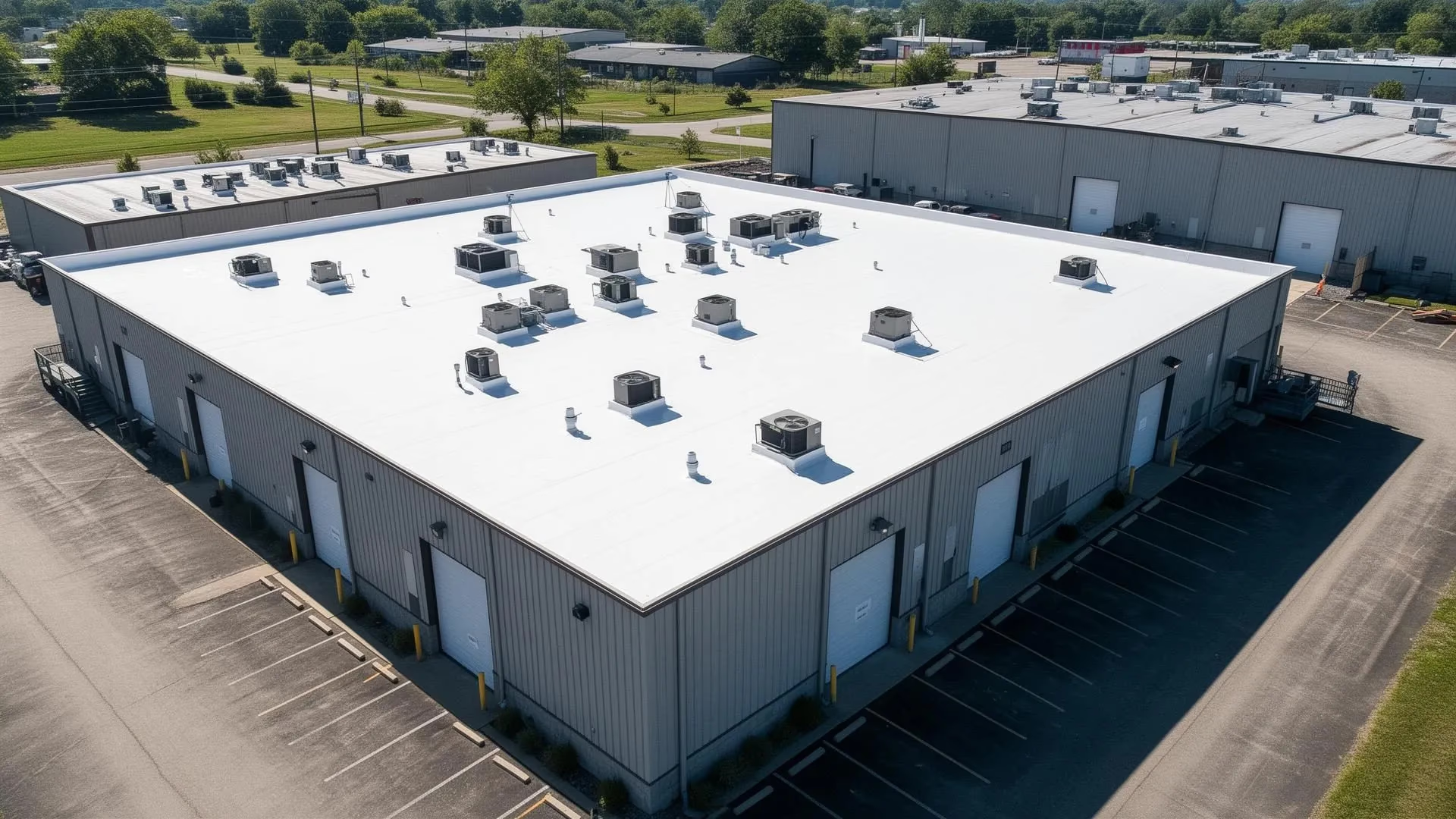
If you own a commercial building in Northeast Ohio, your roof has almost nothing in common with a residential shingle roof. Visit our commercial roofing services page for an overview of what we offer. Most commercial roofs are flat or low-slope, and that changes everything about how water moves, how materials perform, and how failures happen.
On a residential roof, water rolls off steep slopes and shingles overlap to create a gravity-assisted barrier. On a flat commercial roof, water sits. It ponds in low spots, pools around drains, and tests every seam and penetration point for weaknesses. Gravity isn't helping you. Your membrane and drainage system are doing all the work.
Ohio's freeze-thaw cycles make this worse. Water that ponds during the day freezes at night, expanding by up to 9% and stressing every seam it touches. This cycle repeats dozens of times per winter. In a state with 30-50 freeze-thaw events annually, a flat roof takes punishment that would be irrelevant on a steep residential slope.
The bottom line: choosing the wrong commercial roofing system in Northeast Ohio doesn't just mean a shorter lifespan. It can mean catastrophic failure. If you're considering metal panels for your commercial building, our metal roofing cost and pros/cons guide covers the details. Water intrusion into a commercial building damages inventory, equipment, tenant spaces, and can shut down operations entirely. The stakes are higher, and the material choice matters more.
Commercial Roofing Systems Compared
There are four primary commercial roofing systems used in Northeast Ohio. Each has genuine strengths and real tradeoffs. Here's the honest breakdown.
TPO (Thermoplastic Polyolefin)
The most popular new commercial roof in Ohio. White reflective surface cuts cooling costs in summer, and heat-welded seams handle freeze-thaw expansion without separating. Excellent resistance to ponding water when properly sloped. Our go-to recommendation for most flat-roof commercial projects.
EPDM (Rubber Roofing)
The original single-ply membrane. Decades of proven performance in Ohio winters. EPDM stays flexible below freezing when other membranes stiffen and crack. The black surface retains heat, which actually helps melt snow faster and reduces ice dam risk on commercial buildings. Lower upfront cost than TPO, but seams aren't as strong long-term.
Modified Bitumen
A good choice for commercial roofs with lots of HVAC units, pipes, and other penetrations that make membrane installation tricky. Torch-applied modified bitumen wraps around obstacles and creates strong, waterproof transitions. Most familiar to experienced contractors. Shorter lifespan than TPO or EPDM, but reliable and cost-effective for buildings with complex roof geometry.
Metal (Standing Seam)
Highest upfront cost but the lowest lifetime cost per year of any commercial system. Standing seam metal is ideal for sloped commercial buildings. Churches, retail, multi-family. Where it sheds snow and ice naturally. Panels expand and contract with Ohio's temperature swings without cracking. Zero ponding water risk on sloped applications. Superior wind resistance in severe storms.
Get Your Free Inspection
Most appointments available within 48 hours. No obligation.
100% Free | No Obligation | Same-Day Response
Quick Decision Guide
Flat Roof Maintenance: The Make-or-Break Factor
Here's something most commercial building owners learn the hard way: the roofing system you choose matters less than how you maintain it. A well-maintained EPDM roof will outlast a neglected TPO roof every time. And a neglected flat roof of any type can fail in half its rated lifespan.
The reason is simple. Flat roofs don't shed problems the way sloped roofs do. A small puncture on a steep residential roof might not leak for years because water runs past it. The same puncture on a flat roof creates a pond that grows with every rain, working its way through the membrane and into the building below.
Proactive maintenance extends a commercial roof's life by 5-10 years. That's worth $40,000-$100,000+ in delayed replacement costs on a typical commercial building. Here's the maintenance schedule we recommend:
Semi-annual professional inspection
Frequency: Spring + Fall
Catches small issues before they become emergency leaks. Spring inspection addresses winter damage; fall inspection prepares for winter loads.
Drain and gutter clearing
Frequency: Monthly
Clogged drains cause ponding water. The number one killer of flat roofs. Just 1 inch of standing water adds 5.2 lbs per square foot of load.
Membrane and seam inspection
Frequency: After every major storm
Hail, wind-blown debris, and falling branches can puncture membranes. Finding a puncture within days prevents thousands in water damage to the building interior.
Flashing and penetration check
Frequency: Semi-annual
Every pipe, HVAC unit, skylight, and vent is a potential leak point. Sealants around penetrations degrade faster than the membrane itself.
Interior ceiling inspection
Frequency: Quarterly
Water stains, musty smells, or bubbling paint inside the building signal active leaks. Catching these early limits damage to inventory, equipment, and tenant property.
Commercial Insurance Claims in Ohio
Commercial roofing insurance claims follow the same basic process as residential. Document the damage, file the claim, meet with the adjuster, negotiate the scope, but the scale and complexity are significantly different.
Commercial claims involve larger dollar amounts, which means insurance companies scrutinize them more carefully. The adjuster timeline is longer, while a residential claim might be inspected within a week, commercial inspections can take 2-4 weeks. Larger buildings may require moisture surveys, core samples, or engineering reports before the carrier approves a full replacement.
One critical difference: business interruption coverage. If roof damage forces you to close or relocate operations, your commercial policy may cover lost revenue and temporary relocation costs. Most business owners don't realize this coverage exists until they need it. Review your policy now. Before the next hailstorm.
Why Your Contractor's Commercial Experience Matters
Commercial Xactimate estimates use different line items and pricing than residential. A contractor who only does residential work will miss commercial-specific items. Membrane removal, substrate preparation, commercial flashing details, crane access. That can represent 15-25% of the total claim value.
Document everything from day one. Photograph damage from multiple angles, note dates, save weather reports, and keep records of any emergency repairs. The more documentation you have, the stronger your claim.
Why Local Matters for Commercial Roofing
National commercial roofing chains can handle big projects, but they can't match what a local contractor brings to the table for Northeast Ohio businesses. The differences show up in three critical areas.
Emergency response time. When a severe storm punches a hole in your commercial roof at 2 AM and water is pouring onto your inventory, you need a crew on-site within hours, not a call center that dispatches someone from three states away. We're based in Wooster. We can have a crew tarping your building before the national chain returns your voicemail.
Ongoing maintenance relationship. Commercial roof maintenance isn't a one-time event. It's a recurring relationship. A local contractor who inspects your roof twice a year develops familiarity with your building's specific issues, drainage patterns, and problem areas. That institutional knowledge prevents problems that a different technician each visit would miss.
Code familiarity. Ohio commercial building codes differ from residential codes in important ways. Fire ratings, load requirements, drainage standards, and energy code compliance. A local contractor who pulls commercial permits in Wayne, Summit, Stark, and Medina counties every week knows exactly what the building department expects. That means fewer delays, fewer rejections, and a smoother project from start to finish.
Warranty service is the final piece. When something goes wrong three years after installation, a local contractor has skin in the game. Their reputation in the community depends on making it right. A national chain's regional office may have turned over its entire staff by then.
Cornerstone Commercial Services
We work on commercial buildings across Northeast Ohio. Strip malls, warehouses, churches, multi-family apartments, retail storefronts, and office buildings. The same commitment to quality that drives our residential work applies to every commercial project.
Every commercial project starts with a thorough inspection. We assess membrane condition, drainage, flashing, penetrations, and structural integrity before recommending a system. If the existing roof can be repaired or coated to extend its life, we'll tell you. If it needs replacement, we'll explain why and walk you through the options. No pressure, no upselling. Just an honest assessment from a local team that's not going anywhere.
Get Your Free Commercial Roof Assessment
We'll inspect your commercial roof, document its condition with photos, and provide a detailed report with recommendations. Repair, coat, or replace. If you're dealing with an active leak or storm damage, we offer emergency tarping and temporary repairs to protect your building and inventory while the permanent solution is planned.
Frequently Asked Questions
How long does a commercial roof last?
It depends on the system. TPO and EPDM typically last 20-30 years with proper maintenance. Modified bitumen averages 15-20 years. Standing seam metal roofing lasts 40-60+ years and has the lowest lifetime cost despite the highest upfront price. The single biggest factor in commercial roof lifespan is maintenance. A neglected flat roof can fail in half its rated life, while a well-maintained one can exceed it.
What is TPO roofing?
TPO (Thermoplastic Polyolefin) is a single-ply membrane roofing system used on flat and low-slope commercial buildings. It comes in large rolls that are heat-welded together at the seams, creating the strongest joint of any membrane system. TPO's white reflective surface reduces cooling costs, and it resists UV, ozone, and chemical exposure. It's the most popular new commercial roofing system installed in Ohio today.
How often should a flat roof be inspected?
Flat and low-slope commercial roofs should be professionally inspected at least twice per year. Once in spring (after freeze-thaw season) and once in fall (before winter). Additional inspections should happen after any major storm event. Between professional inspections, building owners should check drains monthly to ensure they're clear. Proactive semi-annual inspections can extend a commercial roof's life by 5-10 years.
Is commercial roofing insurance different from residential?
Yes, in several important ways. Commercial claims involve larger dollar amounts, longer adjuster timelines, and often include business interruption coverage that residential policies don't have. Commercial Xactimate estimates use different line items and pricing. The documentation requirements are more extensive. Detailed photo evidence, moisture surveys, and sometimes core samples are needed. Having a contractor experienced in commercial insurance claims can make a significant difference in claim approval and payout amount.
Related reading: Metal Roofing: Cost, Pros & Cons in Ohio · How Much Does a Roof Replacement Cost in Ohio?
Our services: Commercial Roofing · Metal Roofing · Free Estimate