Quick Answer
The best siding colors for Ohio homes in 2026 are warm gray (greige), classic white, navy blue, sage green, and charcoal. The most popular exterior house colors here are warm gray and white because they resist UV fading, match nearly any roof, and hold the broadest resale appeal. For dark or bold shades like navy or charcoal, choose James Hardie ColorPlus fiber cement, which keeps its color far longer than dark vinyl in Ohio sun. See our siding replacement services for material and color options.
Top Siding Colors for Ohio in 2026
Siding color trends shift slowly compared to interior paint. A color you choose today will be on your house for 20 to 30 years, so the best choices are timeless rather than trendy. The material you choose affects which colors hold up best. Our vinyl vs. James Hardie comparison covers color retention differences. Visit our siding services page for what we offer. Here are the colors we install most across Northeast Ohio, and the ones that consistently perform well at resale.
Warm Gray and Greige
The single most popular siding color in Northeast Ohio right now. Warm gray with undertones of beige. Sometimes called greige. Works with virtually every roof color, pairs well with white or dark trim, and photographs beautifully in both overcast Ohio light and bright summer sun. It reads as modern without being cold. Think Iron Gray, Aged Pewter, or Pearl Gray in manufacturer palettes.
Classic White and Off-White
White siding remains the safest choice in Ohio and the single best color for resale value. Bright white looks crisp and clean, especially with dark shutters and trim. Off-white and ivory soften the look without sacrificing that broad buyer appeal. White siding also reflects the most UV radiation, which means it fades the least and keeps surface temperatures lower. An actual energy efficiency benefit in summer.
Navy and Dark Blue
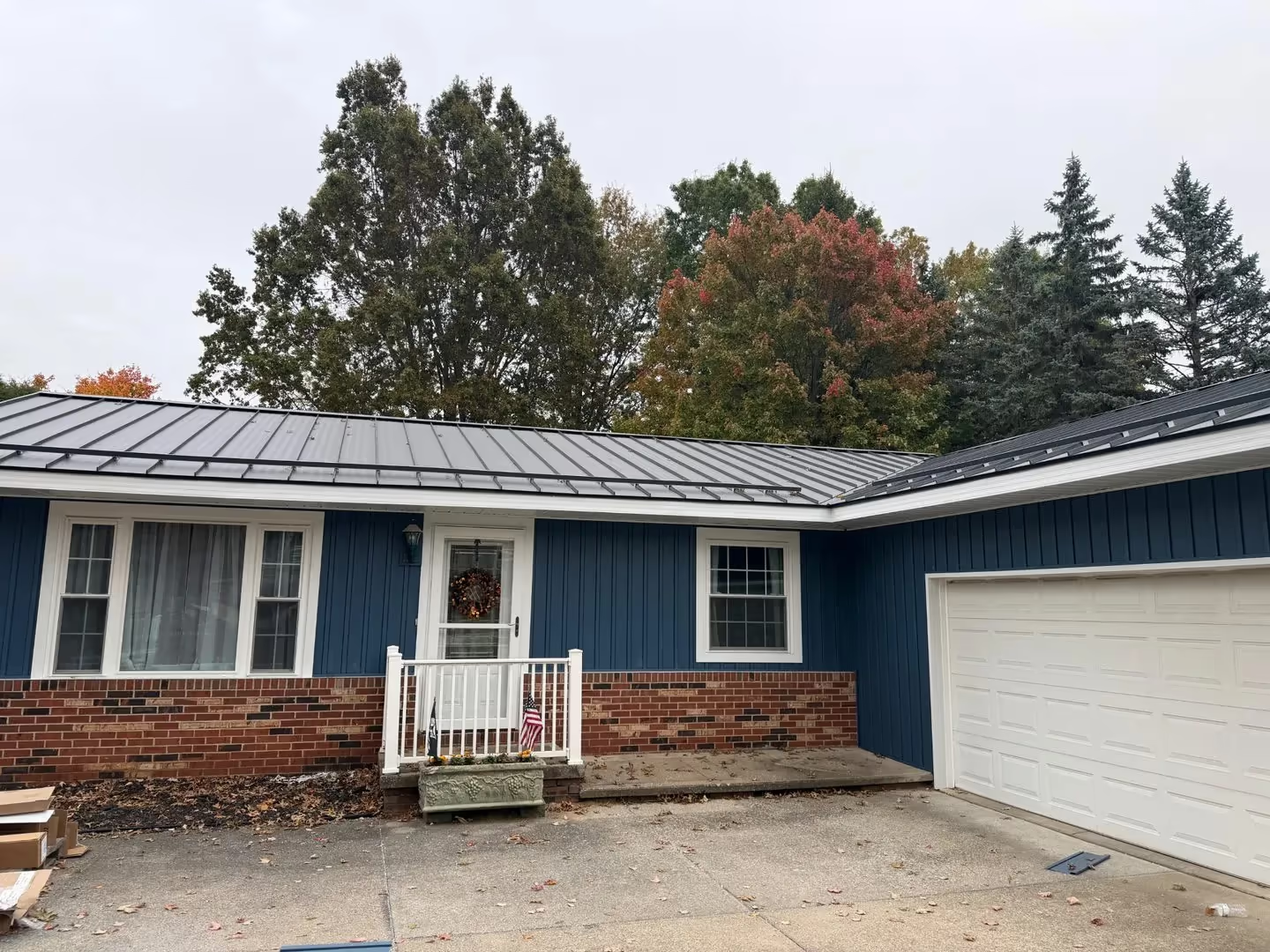
Dark blue siding has surged in popularity across the Midwest over the last three years. It pairs exceptionally well with white trim and creates a classic New England aesthetic that buyers respond to. The risk with dark blue is UV fading. On south-facing walls, vinyl blue siding can look washed out within a decade. If you choose dark blue, James Hardie ColorPlus or high-quality dark vinyl is essential for long-term color retention.
Sage Green and Olive
Earth tones are gaining ground in wooded and rural settings across Wayne and Holmes counties. Sage green and olive create a natural, grounded look that blends with surrounding landscapes. These mid-tones resist visible fading better than darker greens and pair well with stone accents, wood-tone trim, and charcoal or weathered-wood roofing.
Charcoal and Dark Gray
Bold and modern, charcoal siding makes a statement on contemporary and craftsman-style homes. It is the most dramatic option and pairs best with light trim for contrast. The practical concern in Ohio is heat absorption. Dark siding gets significantly hotter in direct sun, which accelerates material expansion and can stress seams and caulk joints. Fiber cement handles this better than vinyl.
UV Fade Resistance by Color
Not all siding colors age the same way. UV radiation breaks down pigments at different rates, and Ohio gets enough direct sun from April through October to cause noticeable fading on vulnerable colors within a decade.
This is where material choice intersects with color choice. A dark blue in vinyl will fade noticeably on south-facing walls within 8 to 12 years. The same dark blue in James Hardie ColorPlus holds its color for 15 to 20 years because the ceramic-coated factory finish is far more UV-resistant than vinyl pigmentation.
If you have your heart set on a dark or bold color, fiber cement is the only material we recommend for long-term satisfaction in Ohio. If budget requires vinyl, stick with lighter colors that age gracefully.
Schedule Free Inspection
Most appointments available within 48 hours. No obligation.
100% Free | No Obligation | Same-Day Response
Coordinating Siding with Roof and Trim
Your siding color does not exist in isolation. It needs to work with your existing roof (which is likely staying for another 10 to 20 years), your trim and soffit color, and your foundation or stone accents. Here are the proven combinations we see work best across Ohio homes:
Charcoal / dark gray shingles: Warm gray, white, or light blue siding with white trim
The most versatile roof color. Works with nearly anything.
Weathered wood / brown shingles: Cream, tan, sage green, or warm gray siding with white or almond trim
Avoid cool grays. The warm and cool clash reads as unintentional.
Black shingles: White, light gray, or navy blue siding with white trim
High-contrast combinations that photograph well and read as sharp.
Red / terracotta accents: Cream, warm white, or khaki siding with dark brown trim
Lean into the warmth. Cool tones compete with red accents.
When you schedule a consultation, we bring physical samples and hold them against your home in natural light. Online color visualizers are helpful for narrowing options, but nothing replaces seeing the actual material against your brick, stone, roof, and landscaping in the light conditions your home actually gets.
HOA and Neighborhood Considerations
If your home is in an HOA community, check your covenants before committing to a color. Many Ohio HOAs maintain an approved color list, and some require architectural review board approval before any exterior changes. We handle HOA submissions for our siding customers. Including providing material samples and mock-up photos to speed up the approval process. While we are on site, we also check that your gutters and downspouts are properly directing water away from the new siding, since poor drainage is one of the fastest ways to shorten its lifespan.
Even without an HOA, consider your neighborhood context. A charcoal modern home in a subdivision of cream colonials will stand out, which can be good or bad depending on your goals. If resale value is a priority, choosing a color that complements your neighborhood while still expressing your style typically performs better than going dramatically different.
That said, we have installed bold colors. Deep navy, forest green, modern charcoal. In traditional neighborhoods across Wooster, Medina, and Akron, and the result has been overwhelmingly positive when the trim and accent colors are thoughtfully coordinated. A bold siding color with classic white trim reads as intentional, not out of place.
Color Options by Siding Material
Vinyl Siding
40 to 50+ colors available from major brands (CertainTeed, Alside, Ply Gem). Light and mid-tone colors perform best. Dark vinyl colors are available but fade faster and absorb more heat. Color is embedded in the material. You cannot change it later without replacing the siding.
James Hardie (ColorPlus)
700+ colors available through the ColorPlus factory finish program. Custom color matching is possible. Factory finish resists UV fading, chipping, and cracking far better than field-applied paint. And when the finish eventually does need refreshing (15 to 20 years), the boards can be repainted to any color.
See How New Siding Colors Would Look on Your Home
Schedule a free consultation and we will bring physical samples to your home. See real colors against your roof, trim, and landscaping, not just a screen rendering. We will also check your current siding condition and let you know if storm damage may cover part of the project. No obligation.
Frequently Asked Questions
What siding color fades the least in Ohio?
Lighter colors fade the least because they reflect more UV radiation. Light gray, beige, tan, and white siding hold their color significantly longer than dark shades. Among dark colors, James Hardie ColorPlus finishes resist fading far better than vinyl because the color is baked on at the factory with ceramic coating technology. If you want a dark siding color in Ohio, fiber cement with ColorPlus is the only option we recommend for long-term color retention. Dark vinyl will noticeably fade within 8 to 12 years on south-facing walls.
Should siding be lighter or darker than the roof?
The most visually balanced approach is to choose siding that is lighter than your roof, with trim that is lighter than the siding. This creates a natural visual hierarchy. Dark roof, medium siding, light trim. That the eye reads as grounded and proportional. Homes with light siding and dark roofs photograph better and tend to have broader buyer appeal at resale. Dark siding with a dark roof can look striking on modern or craftsman-style homes, but it narrows your buyer pool and both materials fade at different rates, which can create a mismatched appearance over time.
Can I change my siding color without replacing the siding?
It depends on the material. James Hardie fiber cement can be repainted to any color at any time. This is one of its biggest advantages. Engineered wood siding can also be repainted. Vinyl siding cannot be reliably painted because the surface does not hold paint well under temperature fluctuations, and paint on vinyl voids most manufacturer warranties. If you have vinyl and want a different color, replacement is the only reliable option. Some homeowners choose to upgrade to fiber cement specifically because they want the flexibility to change colors in the future.
Related reading: Siding Replacement Services · Vinyl vs. James Hardie Siding · Siding Replacement Cost in Ohio